
Protecting Equipment and Processes with Industrial Dehumidification

Moisture is one of the most common threats to equipment reliability in industrial facilities. It can accumulate unnoticed inside electrical enclosures, control panels, equipment rooms, and storage areas. Over time, excessive humidity can lead to corrosion, condensation, electrical faults, mold growth, and unexpected downtime.
Industrial dehumidification is one of the most effective ways to control moisture and protect critical equipment. By maintaining appropriate humidity levels, facilities can reduce the risk of equipment failures, extend asset life, and support consistent operating conditions.
Key Takeaways
Excess humidity can contribute to corrosion, condensation, electrical issues, and equipment failures.
Industrial dehumidifiers help control moisture and create more stable operating conditions.
Temporary dehumidification is commonly used during shutdowns, construction projects, seasonal humidity spikes, and emergency situations.
Many facilities use dehumidification to protect electrical equipment, manufacturing processes, materials, and inventory.
Rankin Group provides industrial dehumidifier rentals and temporary climate control solutions throughout our service areas.
Equipment sizing and dehumidifier selection depend on the facility, application, and environmental conditions.
Why Humidity Damages Industrial Enclosures
Industrial enclosures often contain sensitive components such as control systems, relays, circuit boards, drives, and electrical connections. While these systems are designed for demanding environments, excessive moisture can create conditions that increase the risk of equipment failures and reliability issues.
Condensation can form on metal surfaces and electrical contacts when humid air encounters cooler surfaces. Over time, moisture exposure may contribute to corrosion, degraded electrical connections, and intermittent equipment faults.
In addition to impacting equipment performance, excess humidity can create challenges for maintenance teams by increasing troubleshooting time and reducing overall system reliability.
The Hidden Cost of Moisture Problems
Many humidity-related issues develop gradually. Corrosion may begin as minor surface deterioration before affecting critical electrical connections. Condensation can accumulate in areas that are difficult to inspect. Small moisture problems often go unnoticed until they result in equipment downtime or production disruptions.
Facilities may also encounter mold growth, material degradation, product quality concerns, and damage to stored inventory when moisture levels remain elevated for extended periods.
Addressing humidity proactively is typically far less disruptive than responding to moisture-related equipment failures after they occur.
How Dehumidification Protects Equipment and Processes
Industrial dehumidifiers remove moisture from the air and help maintain more consistent environmental conditions. By reducing excess humidity, facilities can minimize the likelihood of condensation and help protect sensitive equipment from moisture-related damage.
Humidity control is especially important in areas such as:
Electrical and control rooms
Equipment enclosures
Data and communications rooms
Manufacturing facilities
Warehouses and storage areas
Maintenance and repair environments
For many facilities, managing humidity is just as important as managing temperature. Both factors work together to support equipment reliability and process stability.
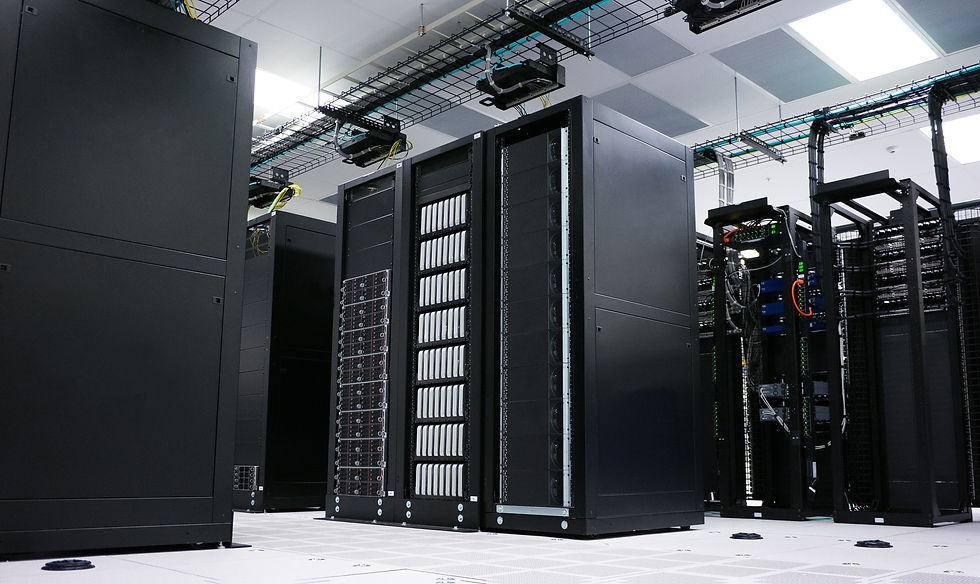
For facilities with server rooms and equipment rooms, maintaining proper environmental conditions can help support equipment performance and reliability.
Industries That Commonly Use Industrial Dehumidification
Many industries rely on humidity control to protect equipment, materials, and operations.
Manufacturing Facilities
Humidity control can help protect production equipment, electrical systems, and finished goods.
Food and Beverage Processing
Controlling moisture helps maintain product quality and support sanitary conditions.
Pharmaceutical Facilities
Environmental consistency is often critical to production and storage requirements.
Data Centers and Equipment Rooms
Sensitive electronics may be affected by excessive moisture and condensation.
Warehouses and Distribution Centers
Dehumidification can help protect stored inventory from moisture-related damage.
Utilities and Industrial Facilities
Power generation, water treatment, and industrial processing operations often use dehumidification to support equipment reliability.
Signs Your Facility May Need Dehumidification
Many facilities do not recognize a humidity problem until equipment begins experiencing issues.
Common warning signs include:
Condensation inside electrical panels or enclosures
Rust or corrosion forming on equipment
Mold growth or musty odors
Unexplained electrical faults
Moisture damage to stored materials
Seasonal humidity challenges
HVAC systems struggling to maintain indoor conditions
If these conditions are present, additional humidity control may be worth evaluating.
Types of Dehumidifiers Used in Industrial Applications
Refrigerant Dehumidifiers
Refrigerant dehumidifiers are commonly used in warmer environments. These units remove moisture by cooling the air and collecting condensed water before returning drier air to the space.
Desiccant Dehumidifiers
Desiccant dehumidifiers are frequently used in colder environments or applications requiring very low humidity levels. These systems use moisture-absorbing materials to remove water vapor from the air.
Both technologies can be highly effective when properly selected for the application. Rankin Group can help determine the most appropriate solution based on operating conditions, facility requirements, and humidity control objectives.
When to Use Rental Dehumidification Equipment
Not every facility requires a permanent dehumidification system. Temporary rental equipment can provide a flexible and cost-effective solution when moisture control needs arise.
If you are evaluating whether renting or purchasing equipment makes the most sense, Rankin Group's guide to renting versus purchasing equipment can help identify the best approach for your operation.
Common Situations That Call for Rental Dehumidifiers
Construction and Renovation Projects
Building projects often expose equipment rooms and interior spaces to elevated moisture levels. Temporary dehumidification helps protect equipment and supports drying requirements during construction activities.
Plant Shutdowns and Turnarounds
Maintenance outages frequently expose equipment, coatings, and critical systems to environmental conditions that can impact work quality. Temporary dehumidification can help protect sensitive assets and support maintenance operations throughout the project.
Seasonal Humidity Challenges
Many facilities experience increased humidity during warmer months. Temporary dehumidifiers can provide additional moisture control when permanent HVAC systems need supplemental support.
Emergency Response
When permanent climate-control equipment fails, temporary dehumidification can help maintain appropriate environmental conditions while repairs are completed. Rapid deployment can reduce the risk of moisture-related damage and operational disruptions.
Rankin Group maintains a fleet of industrial dehumidifiers available for deployment throughout our service areas.
Frequently Asked Questions
What Are the Signs of Excess Humidity Inside an Industrial Enclosure?
Common signs include condensation, corrosion, rust, mold growth, musty odors, and unexplained electrical issues. Installing humidity monitoring devices can help identify potential problems before they affect operations.
Can Air Conditioning Replace a Dehumidifier?
Air conditioning systems remove some moisture during the cooling process, but they are not always designed to provide the level of humidity control required for industrial applications. In many facilities, cooling and dehumidification systems work together.
How Do I Determine the Right Dehumidifier Size?
Equipment selection depends on factors such as room size, moisture load, air infiltration, operating conditions, and humidity objectives. A site assessment can help determine the most appropriate solution.
Are Rental Dehumidifiers Available for Short-Term Projects?
Yes. Rental equipment can be deployed for planned maintenance projects, construction activities, emergency response situations, seasonal humidity challenges, and other temporary applications.
Can Dehumidification Help Protect Electrical Equipment?
Many facilities use dehumidification to help reduce condensation and moisture exposure around sensitive electrical equipment, control panels, and automation systems.
<script type="application/ld+json">
{
"@context": "https://schema.org",
"@type": "FAQPage",
"mainEntity": [
{
"@type": "Question",
"name": "What Are the Signs of Excess Humidity Inside an Industrial Enclosure?",
"acceptedAnswer": {
"@type": "Answer",
"text": "Common signs include condensation, corrosion, rust, mold growth, musty odors, and unexplained electrical issues. Installing humidity monitoring devices can help identify potential problems before they affect operations."
}
},
{
"@type": "Question",
"name": "Can Air Conditioning Replace a Dehumidifier?",
"acceptedAnswer": {
"@type": "Answer",
"text": "Air conditioning systems remove some moisture during the cooling process, but they are not always designed to provide the level of humidity control required for industrial applications. In many facilities, cooling and dehumidification systems work together."
}
},
{
"@type": "Question",
"name": "How Do I Determine the Right Dehumidifier Size?",
"acceptedAnswer": {
"@type": "Answer",
"text": "Equipment selection depends on factors such as room size, moisture load, air infiltration, operating conditions, and humidity objectives. A site assessment can help determine the most appropriate solution."
}
},
{
"@type": "Question",
"name": "Are Rental Dehumidifiers Available for Short-Term Projects?",
"acceptedAnswer": {
"@type": "Answer",
"text": "Yes. Rental equipment can be deployed for planned maintenance projects, construction activities, emergency response situations, seasonal humidity challenges, and other temporary applications."
}
},
{
"@type": "Question",
"name": "Can Dehumidification Help Protect Electrical Equipment?",
"acceptedAnswer": {
"@type": "Answer",
"text": "Many facilities use dehumidification to help reduce condensation and moisture exposure around sensitive electrical equipment, control panels, and automation systems."
}
}
]
}
</script>
Protect Critical Equipment Before Moisture Causes Damage
Humidity problems rarely improve on their own. Moisture can quietly affect electrical systems, equipment performance, stored materials, and facility operations long before visible damage appears.
Whether you're preparing for a plant turnaround, responding to an equipment failure, managing seasonal humidity challenges, or supporting a construction project, Rankin Group can provide temporary dehumidification solutions tailored to your facility's specific requirements.
With a fleet of industrial dehumidifiers and temporary climate-control equipment located throughout our service areas, Rankin Group helps facilities protect critical assets, maintain productivity, and respond quickly when environmental conditions become a concern.
Contact Rankin Group today to discuss your humidity control requirements and identify the right dehumidification solution for your facility.


Comments